
What Makes a Fall Festival Great?
A look back at the classic games and traditions that turned fall festivals into some of our favorite childhood memories.
There's something about the first cool evening in October — string lights strung between poles, the smell of kettle corn, kids running between game booths — that feels the same no matter how many years go by. Fall festivals haven't changed all that much at their core, and honestly, that's the whole point. A handful of games and traditions have stuck around for generations because they just work. Here's a look back at the classics.
🍎 Bobbing for Apples
Bobbing for apples might be the oldest game on this list by a long shot — it traces back to a Roman harvest festival honoring Pomona, the goddess of fruit trees, which Romans brought to Britain centuries ago. Over time it folded into fall and Halloween traditions, and by the time it crossed the Atlantic, it had become a fixture of American harvest parties. The rules never got complicated: a tub of water, a pile of apples, and the simple challenge of grabbing one with nothing but your teeth. Low-tech, a little messy, and somehow still one of the first games people mention when they think back on fall festivals as a kid.
💦 The Dunk Tank
The dunk tank has a slightly newer history — it started showing up at traveling carnivals and county fairs in the early 1900s, and it's stuck around for one simple reason: there's nothing quite as satisfying as watching your principal, coach, or favorite teacher take the plunge. Dunk tanks became a staple of school fundraisers and church festivals in particular, since they turn a simple target-throwing game into a genuine spectacle people will line up for. If you're planning a fall festival and want to bring back that classic dunk tank moment, it's something we can source for your event on request.
🌾 Hay Rides
Hay rides come straight from actual farm life — hitching a wagon to a tractor and hauling neighbors around the property was originally just a practical way to move people, and it turned into an event of its own once families started doing it for fun in the fall. There's something about the slow pace, the crisp air, and piling in next to family or friends that's hard to replicate with anything else on this list. It's become such a fixture of fall that plenty of farms and pumpkin patches now build their whole visitor experience around it.
🎃 Carving Pumpkins
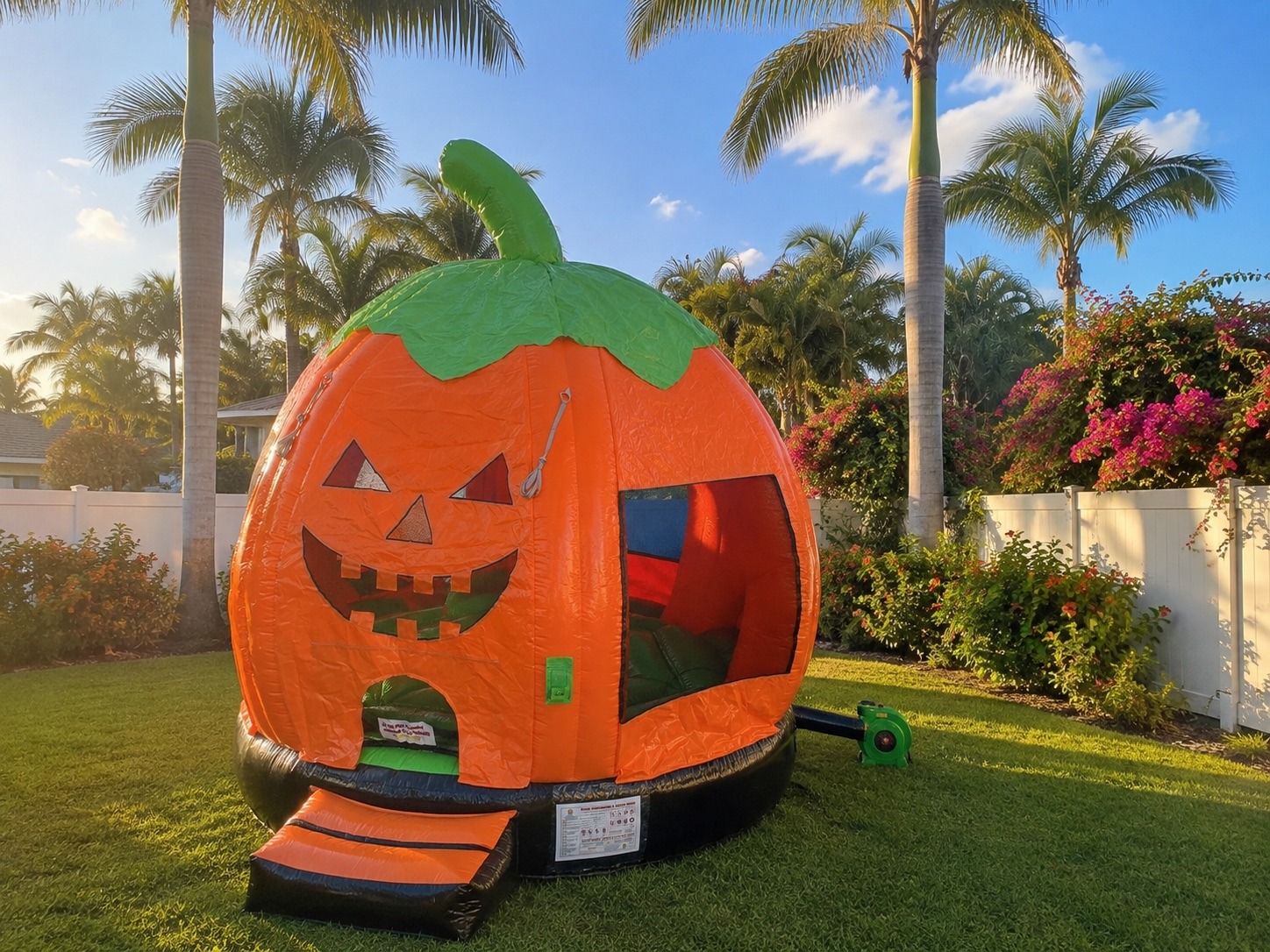
The jack-o-lantern actually started as a turnip. The tradition comes from Irish folklore about "Stingy Jack," a trickster doomed to wander the earth with only a burning coal inside a hollowed-out turnip to light his way. When Irish immigrants brought the legend to America, they found pumpkins were much easier to carve — bigger, softer, and native to the continent — and the jack-o-lantern as we know it was born. Pumpkin carving contests are now a fall festival staple in their own right, and it's part of why the pumpkin itself has become such a strong visual symbol of the whole season — even showing up as the shape of choice for things like bounce houses at kids' events today.
🍬 Trick-or-Treating
Trick-or-treating has roots in an old British and Irish practice called "souling" and "guising," where people went door to door in costume, offering songs or prayers in exchange for food. The American version we know today — kids in costumes, candy, "trick or treat" as the phrase — really took shape in the early-to-mid 1900s and became a full-blown national tradition by the 1950s. It's the one item on this list that's less "festival game" and more "the reason we have a whole season built around fall and Halloween traditions" in the first place.
🏰 The Newest Classic
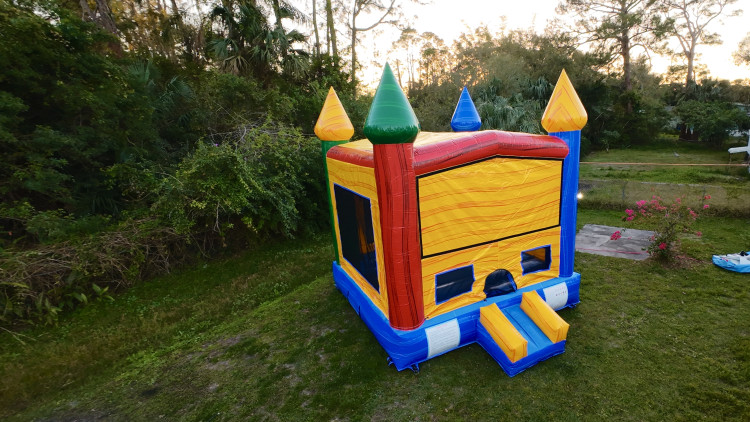
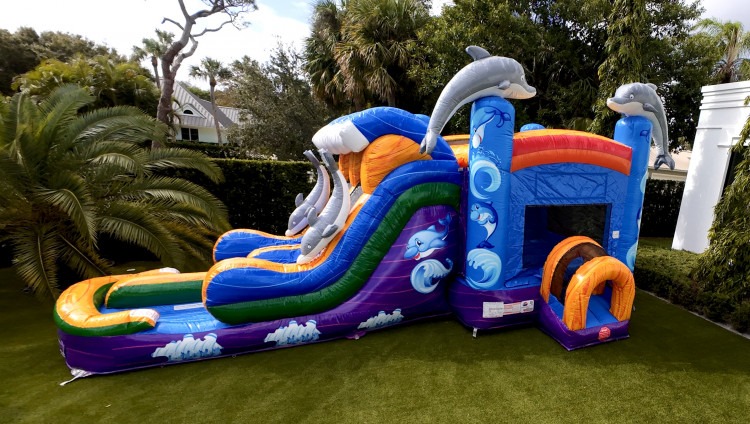
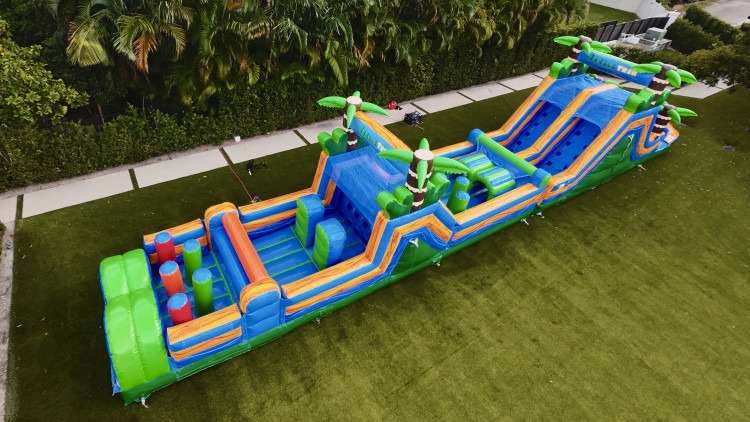
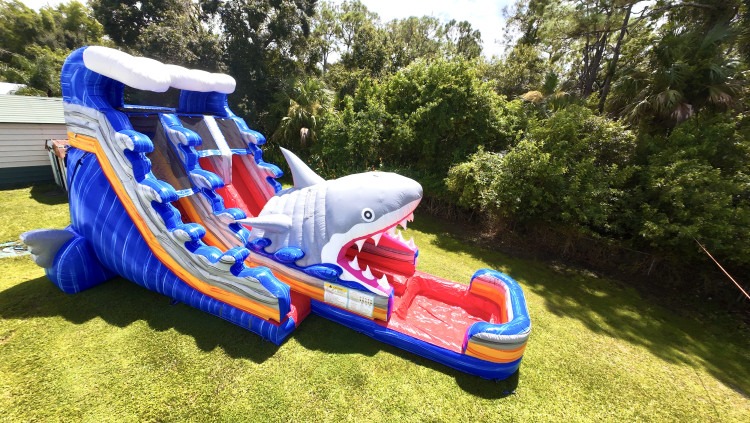
Every generation seems to add its own twist to fall festival traditions, and inflatables are probably the newest one — bounce houses have only really been a party staple since the 1990s. It makes sense that the pumpkin became one of the most popular shapes once bounce houses caught on: it's the same reason pumpkins show up on porches, in patches, and carved on doorsteps every October. A pumpkin bounce house is really just the latest version of the same instinct that gave us jack-o-lanterns in the first place — take something everyone already associates with fall, and build a little fun around it.
👻 A Few Questions People Ask
Where did bobbing for apples come from?
Bobbing for apples traces back to a Roman harvest festival honoring Pomona, the goddess of fruit trees, and made its way into British and eventually American fall traditions over the centuries that followed.
Why do people carve pumpkins for Halloween?
The tradition comes from Irish folklore about "Stingy Jack," who originally carried a candle inside a hollowed-out turnip — when the custom reached America, pumpkins replaced turnips since they were larger, softer, and easier to carve.
When did trick-or-treating become popular in America?
Trick-or-treating grew out of older British and Irish door-to-door customs, but it took its modern American shape in the early-to-mid 1900s and became a widespread national tradition by the 1950s.
What is a dunk tank and where did it come from?
A dunk tank is a carnival game where a target throw sends a volunteer splashing into a tank of water — it became popular at traveling carnivals and county fairs in the early 1900s and remains a favorite at school and church fundraisers.
Curious what a modern fall festival lineup looks like? Our planning guide and themed inflatables posts cover what we bring to Palm Beach County events today.